
Archbishop Alarcon to seminarians: Don’t just join the community. Build it.
By Fr. Francis A. Tordilla
What does it mean to belong to a community in an age when people can have hundreds of online friends and still feel alone?
For Archbishop Rex Andrew Alarcon, it begins with a difficult truth: being connected is not the same as being in communion.
The Archbishop of Caceres raised the question during the common seminary day celebration of the Holy Rosary Preparatory, Minor and Major Seminaries on Wednesday, October 7, held on the feast of Our Lady of the Most Holy Rosary, patroness of the three seminaries. The Holy Rosary Preparatory Seminary hosted this year’s gathering at San Jose, Camarines Sur.
He pointed to the irony of social media. It is designed to be “social,” yet its algorithms often place the individual at the center—my photograph, my post, my message—turning other people into spectators rather than companions.
The result, he said, can be a strange kind of loneliness: surrounded by connections but lacking genuine relationships.
That matters in seminary formation because, the Archbishop said, people do not discover themselves alone. Human beings need others to grow. Reason, language and even the capacity to love are developed in relationship.
Seminary life, therefore, should teach young men not only how to know themselves but how to live with others.
For the archbishop, the starting point is communion with God. Prayer and the liturgy are not extracurricular activities in community life; they are its foundation. The Eucharist and the sacraments are acts that draw people into communion, reflecting the life of the Trinity itself—Father, Son and Holy Spirit, distinct persons united in one God.
But community does not build itself.
The archbishop challenged the seminarians to resist becoming “lone rangers.” Each person has a place in the Body of Christ, and even small contributions matter.
His challenge was blunt: “Do not merely join the seminary, the burunyog or the class. Build it.”That means showing up, participating, creating shared experiences and accepting the sacrifice that comes with living with people who are different from oneself.
The lesson extends beyond the seminary. Formation, Alarcon said, ultimately leads to mission.
He framed the vocation of the future priest around three pillars of Synodality:
communion, participation and mission.
Those eventually sent to ministry must be willing to listen, accept correction, solve problems and help mend what is broken.
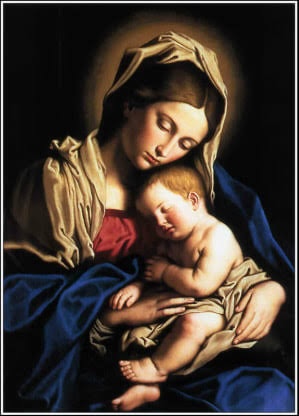
Mary, whose feast brought the three seminaries together, offers the model: called by God, she trusted enough to say yes.
For the seminarians, the question is no longer simply whether they belong. It is what they will do to build the community to which they belong.


Comments